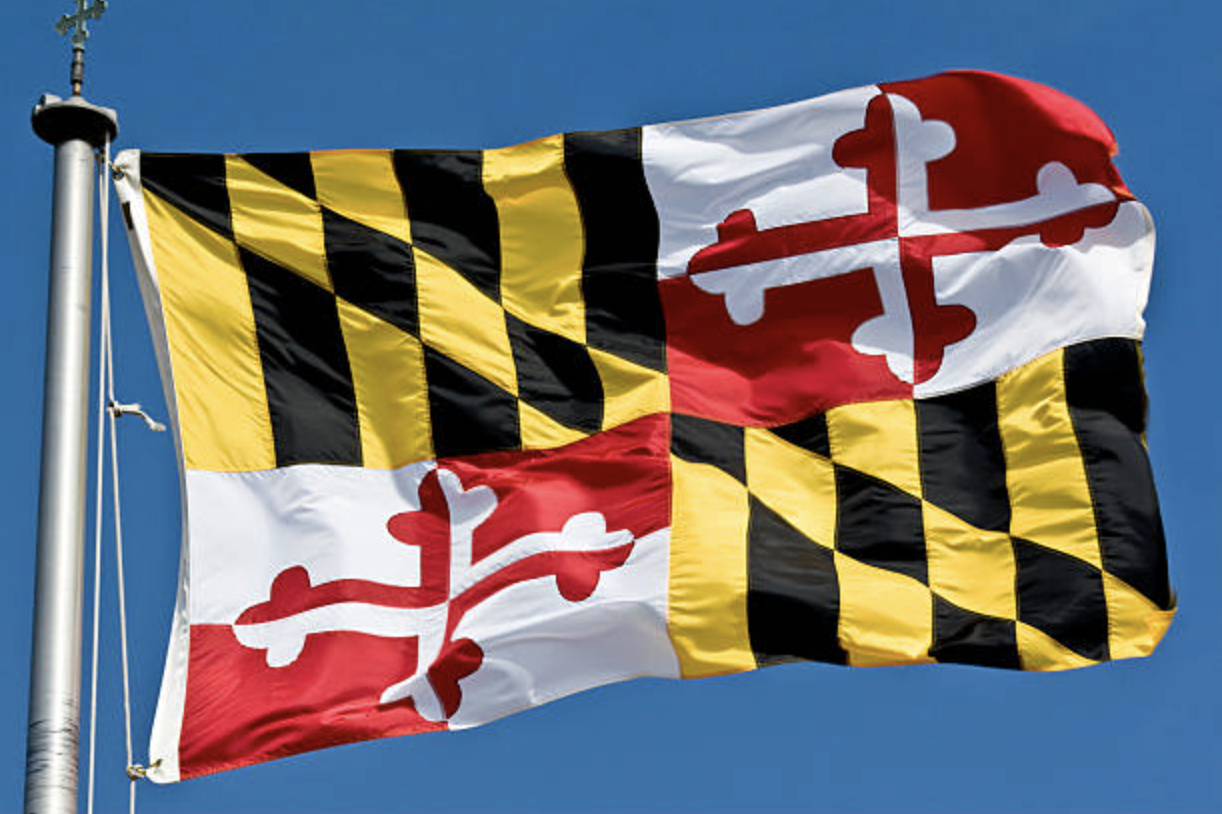
Since 2013, Maryland has banned the sale and possession of certain semiautomatic rifles. The AR-15, AK-47, and Barrett .50 caliber are among the firearms the state defines as assault weapons and prohibits civilians from owning. Gun rights organizations have been fighting that ban in federal court for over a decade. As of now, the ban stands.
The Legal History
The challenge that reached the furthest is known in its lower court phase as Bianchi v. Brown and was renamed Snope v. Brown by the time it reached the Supreme Court, reflecting a change in the lead plaintiff. The challengers included David Snope, the Firearms Policy Coalition, the Second Amendment Foundation, and the Citizens Committee for the Right to Keep and Bear Arms, represented by attorneys from Cooper & Kirk.
The case took a significant turn in 2022 when the Supreme Court issued its landmark ruling in NYSRPA v. Bruen, establishing a new framework requiring gun regulations to be consistent with the nation’s historical tradition of firearms regulation. The Supreme Court vacated the lower court’s ruling in Bianchi and sent it back to the Fourth Circuit to reconsider under the new Bruen standard.
The Fourth Circuit reconsidered and upheld the ban anyway. In August 2024, the en banc court ruled 10-5 that Maryland’s assault weapons ban is constitutional. Writing for the majority, Judge Harvie Wilkinson III argued that weapons like the AR-15 “fall outside the ambit of protection offered by the Second Amendment because, in essence, they are military-style weapons designed for sustained combat operations.”
The plaintiffs appealed to the Supreme Court. On June 2, 2025, SCOTUS declined to hear the case. The Fourth Circuit ruling stands.
The Dissent Worth Knowing
The Supreme Court’s refusal to hear Snope v. Brown was not unanimous. Justices Clarence Thomas, Samuel Alito, and Neil Gorsuch stated they would have granted the petition, one vote short of the four required for the Court to take a case.
Justice Thomas wrote in dissent that the Fourth Circuit “placed the burden on the wrong party,” arguing the government should be required to justify restricting firearms, not the other way around.
Justice Brett Kavanaugh, while joining the denial, wrote a separate statement signaling the Court should take up the AR-15 question in the near future. “I anticipate that the Court will need to address [this issue] soon, in the next Term or two,” he wrote.
What It Means
For Maryland residents, the practical reality is unchanged. The assault weapons ban remains in effect and there is no near-term legal challenge positioned to overturn it.
For the broader 2A community, the more significant development may be Kavanaugh’s statement. Four justices, Thomas, Alito, Gorsuch, and now Kavanaugh signaling interest, suggests the question of whether commonly owned semiautomatic rifles are protected under the Second Amendment is headed to the Supreme Court. The question is when and in which case.
This article is for informational purposes only and does not constitute legal advice.