
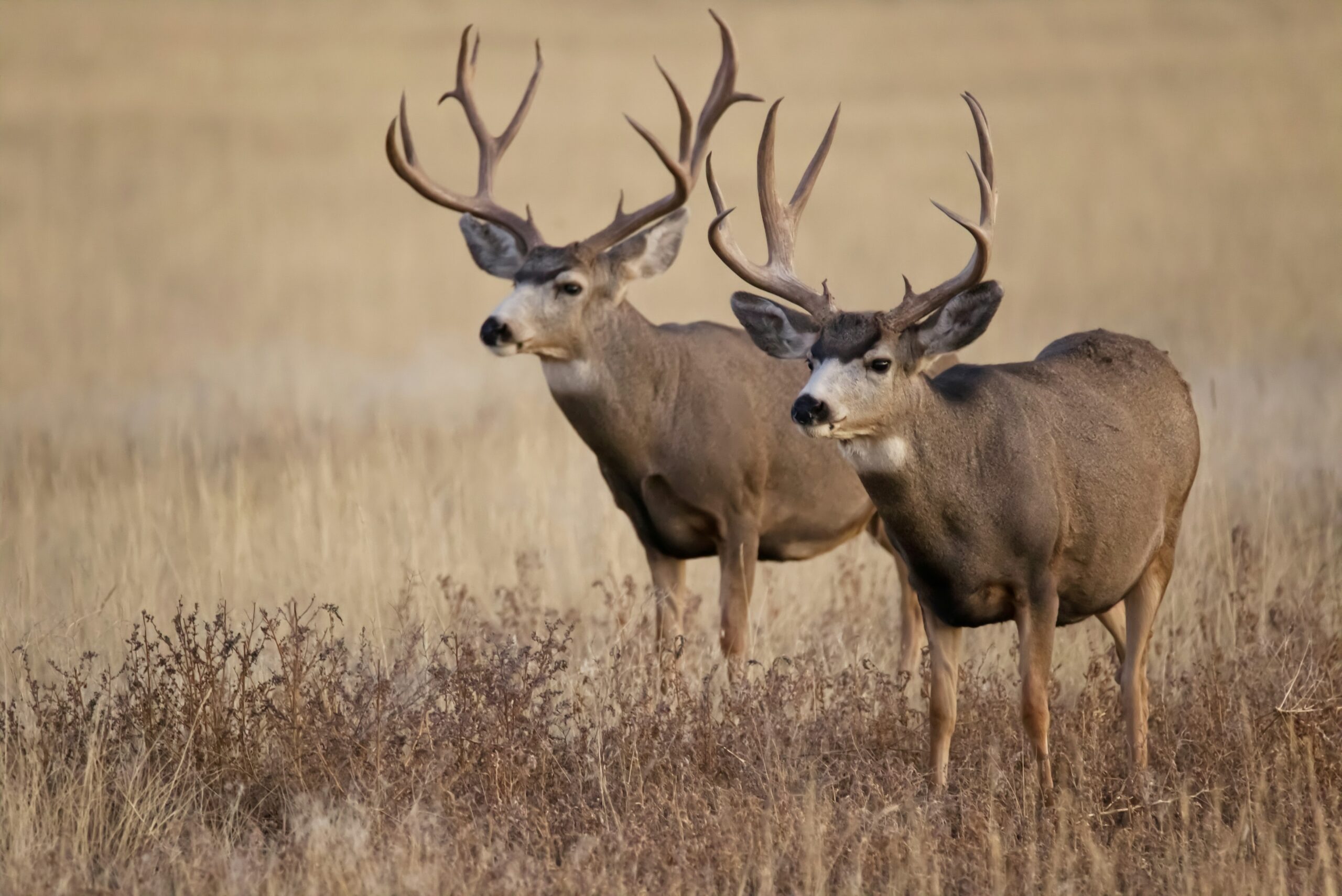
After more than nine hours of debate at the May 13 meeting in Gaylord, the Michigan Natural Resources Commission voted to limit Lower Peninsula hunters to one antlered deer per season starting March 1, 2027. The vote was the conclusion of a months-long public process that drew packed meeting rooms, dozens of public commenters, and opinions from hunters ranging from full support to flat-out rejection.
The one-buck rule was the headline, but it was not the only significant change to come out of the meeting. Michigan hunters heading into the 2026 and 2027 seasons are looking at a substantially different regulatory landscape than last year.
The One-Buck Rule: What Passed and What Didn’t
The rule that passed was not the DNR’s original recommendation.
The DNR had recommended a statewide one-buck limit that would have applied to both the Lower and Upper Peninsula, with a single deer license defaulting to antlerless-only, and hunters wanting a buck required to purchase a combination license at a higher price. NRC Chairperson Becky Humphries said she could not support that version because tying a license fee increase to the rule change would have crossed into legislative authority. The Legislature, not the NRC, holds the power to raise license fees.
“By coupling some of the licenses in the combo license, we could effectively be doubling the price of a buck license and stepping into the arena that is legislative authority,” Humphries explained before the vote.
The rule that passed, introduced by Commissioner David Nyberg as a compromise, limits Lower Peninsula hunters to one antlered deer per season starting in 2027. Upper Peninsula regulations are unchanged.
How the new license structure works in the Lower Peninsula starting in 2027:
A single deer license allows a hunter to take one deer: either one buck with at least three antler points on one side, or one antlerless deer.
A combination license allows one antlered deer and one antlerless deer, or two antlerless deer.
Existing antler point restrictions by Deer Management Unit remain in place.
The “Earn a Second Buck” Pilot Program
One of the more interesting additions to the package involves a potential pilot program for the southern Lower Peninsula. Under the concept, hunters who harvest an antlerless deer would be eligible to purchase a license for a second antlered deer, subject to a four-point antler restriction.
However, this program is not yet operational and the specific counties where it would apply have not been determined. The DNR’s deer specialist confirmed the pilot will be somewhere in Zone 3 in southern Michigan, but said the department does not yet know exactly what the program will look like or precisely where it will be located. Commissioner Nyberg’s amendment included a request for the DNR to develop a framework for the pilot project, which will be presented at the NRC’s July meeting. The public will have an opportunity to weigh in before there is a vote on the program itself.
Commissioner John Walters raised concerns during the meeting about potential “ghost does,” hunters falsely claiming antlerless harvest in order to obtain a second buck tag. That concern and others will be part of the framework discussion at the July meeting.
The bottom line for hunters: the earn-a-second-buck concept has been approved for development, not implementation. The participating counties will be announced by the DNR later this year.
The Limited Firearm Zone Is Gone
The Limited Firearms Deer Zone in the southern Lower Peninsula has been eliminated for the 2026 season. This zone, which restricted hunters in densely populated southern Michigan counties to shotguns, pistols, and straight-walled cartridges due to safety concerns about rifle range in populated areas, is no longer in effect.
Starting with the 2026 season, hunters in the former limited firearm zone can use any legal firearm during the regular firearms deer season.
For hunters who have spent years in southern Michigan with a slug gun or .350 Legend, this is a meaningful expansion. It also effectively opens up a much broader selection of deer rifles for a portion of the state where rifle hunting was previously prohibited.
Muzzleloader Season Gets Shorter, and a New Name
The statewide muzzleloader deer season has been shortened from 10 days to just three days, beginning on the first Friday in December. The season is also being officially renamed the December Firearm Deer Season in the Lower Peninsula.
In the Lower Peninsula, any legal firearm may be used during this season. That has been the case for some time in Zones 2 and 3. What changes is the shortened window and the name that reflects the reality of how hunters have been using the season. In the Upper Peninsula, the traditional muzzleloader restrictions remain in place.
Other Changes Worth Knowing
Early antlerless firearm season: Will now run concurrently with the Liberty Hunt on September 12-13, 2026.
.22 long rifles: Now legal for deer hunting statewide. Previously restricted in certain zones.
Upper Peninsula antlerless deer: No antlerless deer hunting access drawing in the UP for 2026. Hunters may only use universal antlerless deer licenses in select Deer Management Units.
Senior crossbow: Residents with a valid senior deer license may now use a crossbow during the late archery season in the UP.
Late antlerless firearm season: Will begin on the Monday after December firearm deer season ends and run through January 1, replacing the previous extended late antlerless season.
How Hunters Reacted
The reaction was divided, which should surprise nobody who followed the months of public debate leading up to the vote.
Some hunters who had long advocated for the one-buck rule felt the compromise version did not go far enough. Elliot Hubbard, one of the hunters who had promoted the original statewide rule, said the vote “just solidifies this was a waste of time.” Others who opposed any restriction expressed relief that the UP was excluded and that the fee structure remained intact.
The DNR’s position throughout the process has been consistent: the biological impact of a one-buck rule in the short term will be modest, but as hunters adapt and increase antlerless harvest over time, the effects on the herd’s buck-to-doe ratio will become more pronounced.
What Hunters Need to Do Now
The 2026 season runs under current regulations. The one-buck rule does not apply until 2027. Hunters who have already purchased licenses for 2026 are not affected this year.
For the 2027 season, hunters planning to target bucks should understand the new license structure before they buy. The combination license will be the relevant option for anyone who wants to take both a buck and a doe in the same season.
The DNR will publish updated license information and season details ahead of the 2027 license year. The Michigan DNR deer page will carry official updates as they are released.
We covered the full background on this proposal before the vote. For context on where the one-buck rule came from and what the DNR’s original recommendation looked like, see our earlier piece: Michigan’s One-Buck Rule: What the DNR Was Proposing.